
How Pallet Design Impacts Freight Costs and Transportation Efficiency
Pallet material, size, weight and stackability change how much freight fits on a truck. See how design choices show up in your shipping costs.
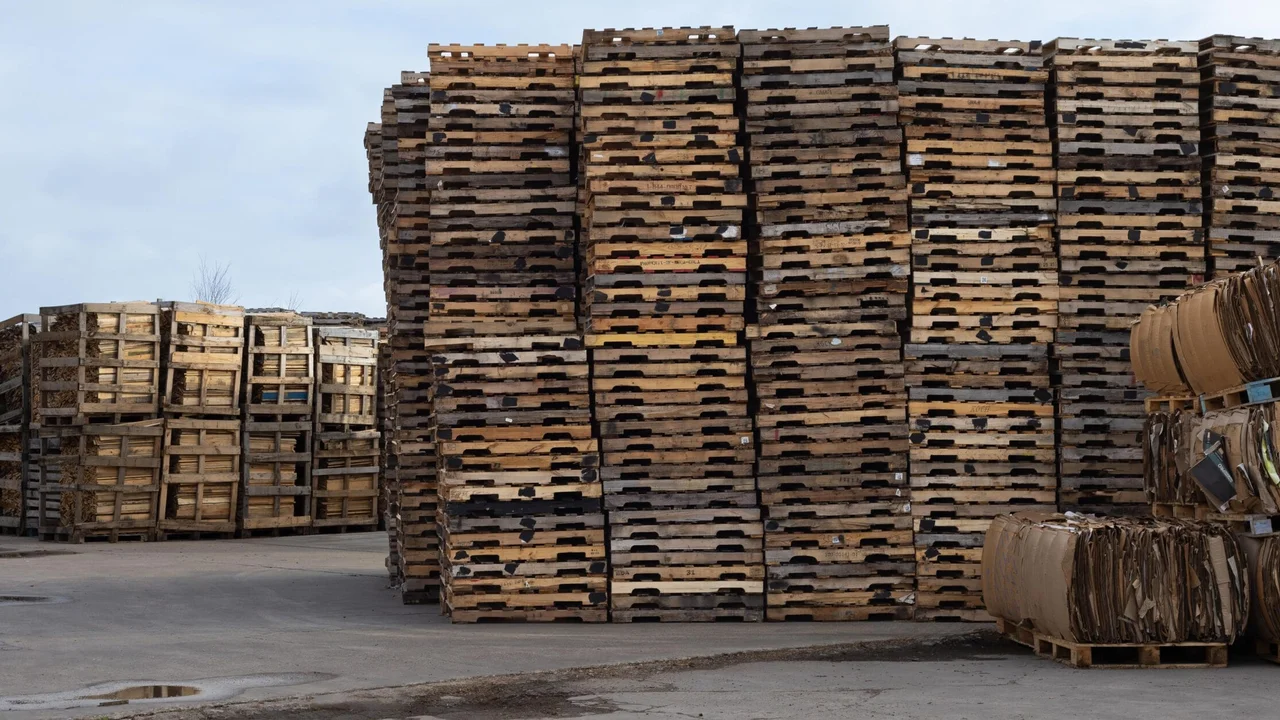
Pallet design affects freight cost in four ways: material and weight, size, stackability and durability. The right pallet protects your goods, fills a truck or container more completely and cuts the number of trips, which lowers cost per shipment.
Why Pallet Design Matters
A pallet is more than a platform. A well-designed one moves goods safely, uses space well and adds little dead weight. Chesapeake Pallets notes that choosing the right pallet design can measurably reduce shipping cost and environmental impact. Many shippers overlook pallet weight when they price freight, even though freight is billed on the weight of the whole load.
Material: Wood or Plastic
- Wood is affordable, widely available and strong, a good choice for heavy or bulky goods and for buyers who want low upfront cost. See our wood pallets.
- Plastic costs more up front but is lighter. FreightWaves reports plastic pallets can be about 30% lighter than wood, which can lower freight cost over time in closed-loop shipping.
For most one-way and mixed freight, wood wins on cost.
Size and Dimensions
Standard sizes make full use of trucks and containers. The 48×40 inch pallet is the most common in the US and matches most trailers and handling equipment. FreightQuote advises standard pallet sizes to keep compatibility with handling equipment and avoid wasted space.
Custom pallets are the right call when a product does not fit a standard footprint, but they can waste space if they do not use the trailer well. We help customers weigh that trade-off.
Stackable and Nestable Designs
- Stackable pallets use vertical space in trucks and warehouses.
- Nestable pallets fit inside one another when empty, which cuts return freight in closed-loop systems.
Durability Against Cost
A pallet that lasts more trips needs replacing less often. For one-way shipping, a lower-cost wood or recycled pallet usually costs less overall. For high-volume loops, a more durable pallet may pay back. Match the pallet to how many trips it will make.
How to Choose
- Weigh your full load and pallet weight together.
- Use 48×40 unless your product needs something else.
- Decide whether the pallet leaves with the goods or comes back.
- Ask about heat treatment if the freight goes abroad.
Not sure which pallet fits your lanes? Talk to our team or call (817) 905-7095.